Electronic Waste Collection Solutions: Optimizing Your Recycling Efforts for a Cleaner Environment
Electronic waste pickup solutions are revolutionizing the way individuals and organizations handle recycling. These solutions streamline the disposal process while maintaining environmental compliance. They not only ease the challenge of moving bulky electronic devices but also support sustainable habits. As consumers continue to prioritize green alternatives, comprehending the intricacies of these services becomes critical. What elements should individuals evaluate when selecting an e-waste collection service? The answer may surprise you.
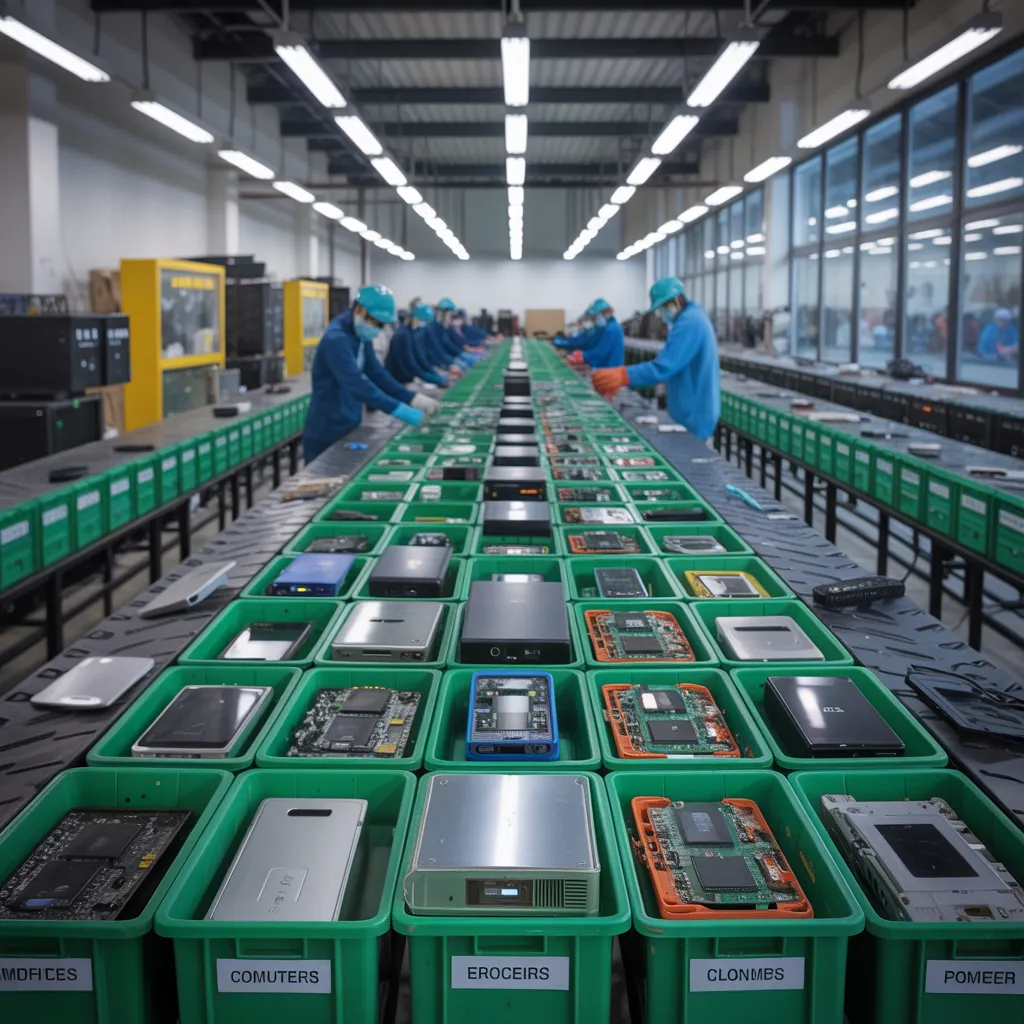
How E-Waste Pickup Mitigates Environmental Impact
E-waste collection services serve a critical role in lessening the environmental consequences of disposed electronics, as they support the responsible collection and recycling of harmful materials. These initiatives work to prevent dangerous chemicals, such as cadmium, lead, and mercury, from contaminating soil and water systems. By efficiently collecting and transporting e-waste, they ensure that dangerous components are managed in alignment with environmental standards.
Moreover, e-waste pickup services support the recovery of resources by channeling valuable materials, including gold, silver, and copper, back into the production process. This lowers the need for newly extracted raw materials, as a result preserving natural resources and decreasing energy expenditure connected to mining and processing.
Additionally, these solutions enhance community awareness about the importance of proper e-waste management, encouraging individuals and businesses to participate in green practices. On the whole, e-waste pickup services greatly See it here advance a healthier, cleaner environment by addressing the issues posed by electronic waste.
Benefits of Using E-Waste Pickup Services
E-waste pickup services offer significant advantages for homeowners and organizations alike. These services provide practical pickup options, making the disposal of outdated electronics hassle-free. Moreover, they provide environmentally responsible disposal practices, working to minimize the environmental impact of electronic waste.
Flexible Collection Methods
For individuals and businesses looking to responsibly dispose of electronic waste, utilizing pickup services offers a seamless solution. These services offer flexible collection options tailored to different schedules and requirements. Users can typically select from a range of pickup times suited to both home and business locations. This does away with the necessity of moving cumbersome equipment to drop-off centers, conserving significant time and resources. Additionally, many e-waste pickup providers offer same-day or scheduled appointments, enhancing accessibility. By streamlining the collection process, these services encourage more people to recycle their electronic devices, ultimately reducing the environmental impact of e-waste. The simplicity of booking and pickup encourages proper disposal habits, establishing it as an ideal option for those seeking to support a more sustainable future.
Sustainable Disposal Practices
Employing electronic waste collection services confirms that electronic equipment are handled in an eco-friendly way. These providers focus on processing various types of electronic waste, making certain that hazardous materials, such as lead and mercury are kept out of landfills. By employing certified recyclers, e-waste collection providers support resource preservation through the recovery of valuable materials, minimizing the requirement for new raw materials. Moreover, such services frequently adhere to regional and global regulations, promoting sustainable practices. Organizations and individuals take advantage of the practicality of planned pickups, easing the challenge of moving large items. In the end, choosing green disposal options through e-waste pickup providers cultivates a mindset of sustainability, encouraging responsible consumer behavior and reducing environmental impact.
What to Expect for E-Waste Pickup?
What does an e-waste pickup typically involve? Individuals can expect a streamlined process designed to facilitate responsible recycling of electronic waste. At the outset, a scheduled pickup time will be established, making it simple to plan accordingly. On the day of the pickup, an experienced crew will arrive fully prepared to handle different kinds of electronic items, making sure they are safely transported with minimal disruption.
Users should prepare their e-waste by sorting items that need to be collected, as this helps streamline the process. The pickup team can offer assistance on which items are eligible and which are not. Safety procedures are commonly established, including personal protective equipment and correct handling practices for dangerous materials.
Moreover, transparency is key; customers can expect to receive a confirmation or receipt of the devices collected, emphasizing the pledge toward responsible disposal. In summary, the e-waste pickup service is designed to simplify the recycling experience while championing green and responsible practices.
Important Considerations for Picking an E-Waste Pickup Service
What steps can someone take to ensure they select the best e-waste pickup service? Selecting an appropriate service requires careful consideration of several key criteria. Initially, one must ensure the service holds the necessary certifications and meets local and national environmental requirements. This guarantees that e-waste is handled responsibly and legally. Additionally, evaluating the company's standing through client feedback and testimonials offers valuable perspective on their dependability and expertise.
Moreover, evaluating the range of services offered can be beneficial; a comprehensive service might offer data destruction, recycling, and refurbishment choices. Additionally, transparency in pricing is important; honest, upfront rates help eliminate unforeseen expenses. Finally, examine the business's responsiveness and client service, as clear communication facilitates a more seamless collection process. By emphasizing these considerations, organizations and individuals can reliably choose an e-waste collection service that matches their environmental objectives.
Ready to Schedule Your E-Waste Pickup?
When is the best time to schedule an e-waste pickup? Choosing the right time can have a major impact on the overall efficiency of the recycling process. Ideally, individuals should consider scheduling pickups during weekdays when service providers often have more availability. Opting for early morning or late afternoon appointments can be advantageous, as traffic is usually lighter during these windows, resulting in more efficient service.
Additionally, forward planning is important. Clients are encouraged to schedule pickups a few days ahead, most notably during high-demand periods or neighborhood recycling programs. This helps ensure that the designated service can fulfill specific requests and requirements.
Additionally, coordinating the gathering with other household chores or decluttering efforts can simplify the procedure. By coordinating the e-waste collection with individual timetables, individuals can ensure the recycling process is smoother and more convenient. Ultimately, careful planning supports a smoother e-waste recycling experience, nurturing a devotion to ecological responsibility.
What Does the Future Hold for E-Waste Recycling?
As the e-waste problem keeps expanding, advancing recycling innovations stand ready to reshape the landscape. Expected regulatory developments could significantly strengthen recycling initiatives, while creative collection approaches are designed to improve e-waste disposal accessibility. Combined, these advancements have the potential to substantially elevate the performance and impact of e-waste recycling operations.
Advanced Technologies in Recycling
Innovations in technological development are poised to transform e-waste recycling, enhancing sustainability and efficiency. Advanced robotics and automated sorting systems are increasingly being integrated into recycling facilities, facilitating the precise separation of precious components from electronic waste. Artificial intelligence (AI) plays a critical role in streamlining these operations, enabling real-time decision-making and elevating recovery rates. Moreover, emerging methods such as biotechnological methods and hydrometallurgy are designed to extract precious metals with reduced ecological consequences. Blockchain technology is being investigated for monitoring electronic waste across the recycling process, promoting accountability and transparency. As these innovations advance, they will considerably lower the ecological footprint of e-waste disposal, paving the way for a more sustainable future in e-waste management.
Upcoming Policy Changes
Lawmakers are preparing to introduce major regulatory reforms intended to strengthen the management of electronic waste recycling. Such efforts aim to confront the escalating issues associated with electronic waste and its environmental impact. Proposed regulations include stricter guidelines for manufacturers regarding product lifecycle management, pushing them to prioritize recyclability in design. Additionally, incentives for consumers to bring back used devices are under consideration, encouraging environmentally mindful practices. Governments may also increase funding for electronic waste management efforts, aiming to expand access and efficiency in e-waste collection. Through encouraging openness and responsibility within waste management operations, legislators aim to minimize landfill usage and strengthen the retrieval of valuable resources, thereby paving the way for a greener strategy for managing e-waste going forward.
Innovative Collection Methods
Reimagining e-waste collection methods is essential for improving the efficiency and accessibility of recycling. Emerging technologies, such as smartphone applications, enable scheduled collections, allowing consumers to plan collection at their convenience. Moreover, partnerships with local businesses and community centers provide designated drop-off points, making recycling more accessible. Smart receptacles integrated with detection systems can track capacity levels, guaranteeing prompt pickups and minimizing operational hurdles. Beyond that, reward-based approaches encourage participation by rewarding individuals or communities for their recycling efforts. These advancements not only optimize the retrieval workflow but also promote understanding of proper electronic waste management. As such progressive approaches become widespread, they herald a more eco-friendly era for e-waste management, ultimately contributing to a greener planet.
Common Questions and Answers
Which Types of Electronic Waste Are Accepted for Pickup?
Electronic waste collection services generally collect items such as outdated computers, TVs, smartphones, tablets, printers, and assorted electronic accessories. These programs work to carefully recycle and handle e-waste items in a sustainable and responsible way.
What Fees Are Associated With E-Waste Pickup Services?
Costs for e-scrap pickup solutions are subject to change depending on geographic region and the type of electronic devices being collected. Some services may supply no-cost retrieval, while other providers may charge fees depending on the quantity or particular electronics.
How Is Data Security Ensured During E-Waste Disposal?
Data protection during e-waste disposal is ensured through processes like secure data erasure, physical demolition of storage media, and verification from certified recyclers, securing critical information and deterring unauthorized access to individual and organizational data.
Are E-Waste Pickup Services Available for Businesses?
Absolutely, companies can make use of electronic waste collection services. These services cater specifically to organizations, ensuring efficient disposal and recycling of electronic waste while promoting environmental responsibility and conformity with guidelines for responsible e-waste disposal.
What Happens to E-Waste After It's Picked Up?
After e-waste is retrieved, it goes through a sorting process for recyclable materials, followed by careful dismantling and material processing. Hazardous materials are disposed of in a safe manner, while recyclable metals and plastics are reclaimed and repurposed, playing a vital role in sustainable resource management efforts.
Comments on “How Electronics Recycling Services Ensure Environmental Safety”